Longtime lobsterman Marc Palombo ’74 now promotes technology that could help his former industry safeguard New England’s threatened right whales
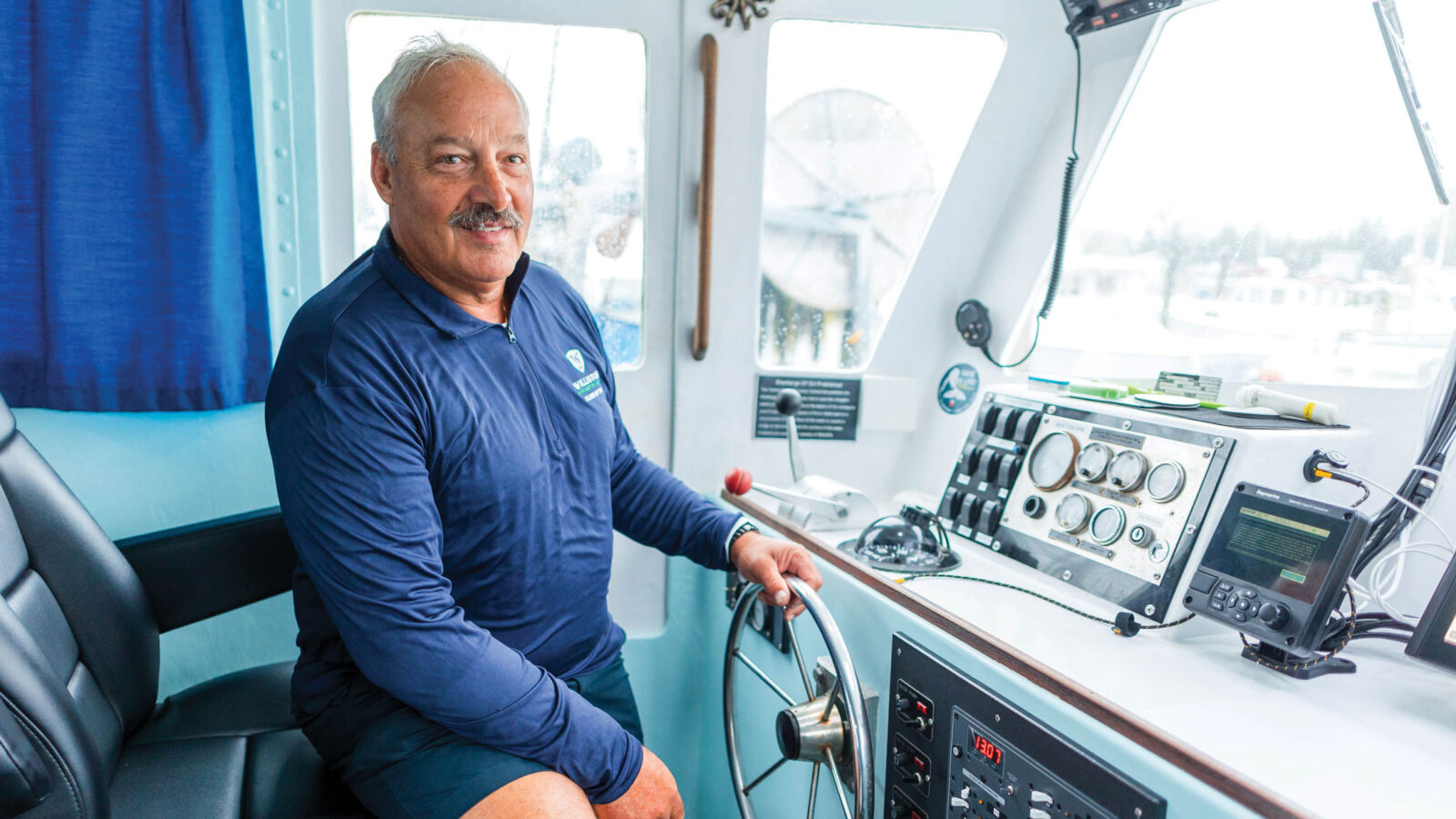
Marc Palombo ’74 spent nearly a half-century as an off-shore lobsterman, working fishing grounds as far as 120 miles off the coast of Massachusetts. The job required managing hundreds of lobster traps tethered to miles of rope in what’s called a trawl, but it could be phenomenally productive. In 1980, crewing his father’s boat as a 23-year-old graduate of the Massachusetts Maritime Academy, he earned $160,000—at the time, he points out, more than half the salary of Boston Bruins star Ray Bourque.
But that success had a cost. On a half-dozen occasions, the boat’s winch began to groan as it fought to raise the trawl, and soon the reason appeared from the depths: A whale had become tangled in the line and drowned. “It was extremely sad,” says Palombo, who now lives in Sandwich, Massachusetts, and works to prevent just such tragedies. “But we didn’t know at what rate whales were being entangled. We didn’t know about ship strikes, or anything like that.”
Today we do. The North Atlantic right whale—so named because it floated when killed, making it the “right” whale to hunt—teeters on the brink of extinction. Fewer than 400 are left on Earth, just 72 of which are breeding-age females. The animal’s practice of feeding near the surface and migrating up the East Coast each spring made it an easy target for 18th-century whalers, and its population has never recovered. Today, right whales are protected by state and federal laws, but even with safeguards in place for much of Cape Cod Bay during the spring, boats and fishing gear continue to take a toll. Some 85 percent of the species shows signs of entanglement injuries. Meanwhile, warming ocean waters are driving whales north into Canadian feeding areas, requiring new regulations and education efforts. Researchers who annually track births and deaths say more needs to be done, but the process of finding a solution—one that can preserve both whales and the multimillion-dollar New England lobster industry—remains contentious and emotional.
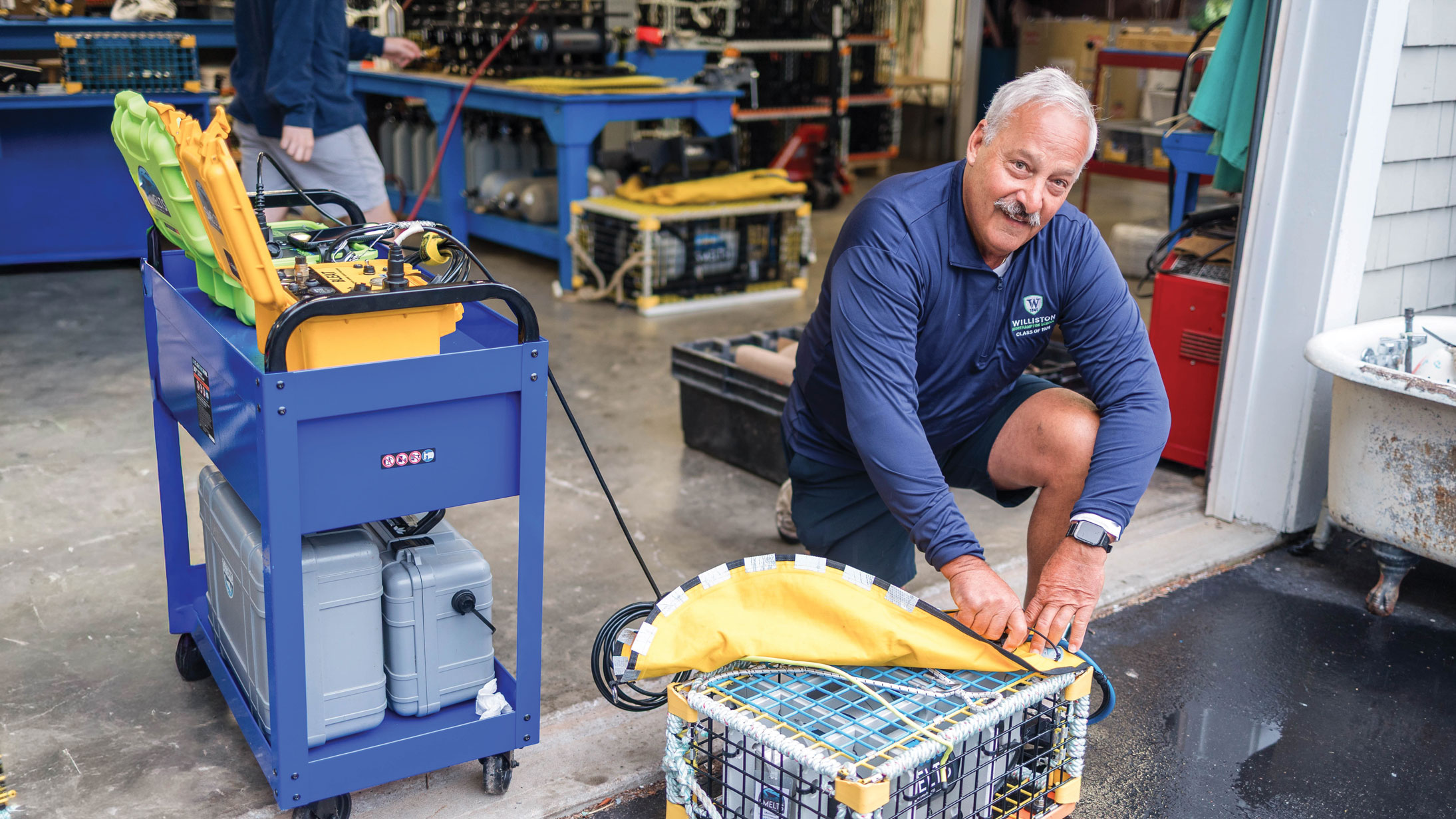
That’s where Palombo comes in. After selling his lobster boat in 2023, he began his second career working to test and promote what’s called on-demand gear. Rather than rely on a traditional floating buoy and rope to mark a trawl line, these new systems employ remote-activated floats that rise from the traps only when needed. Palombo was an early adopter of the new technology in his last years fishing, and his personal experience allows him to serve as a vital bridge between scientists and lobstermen.
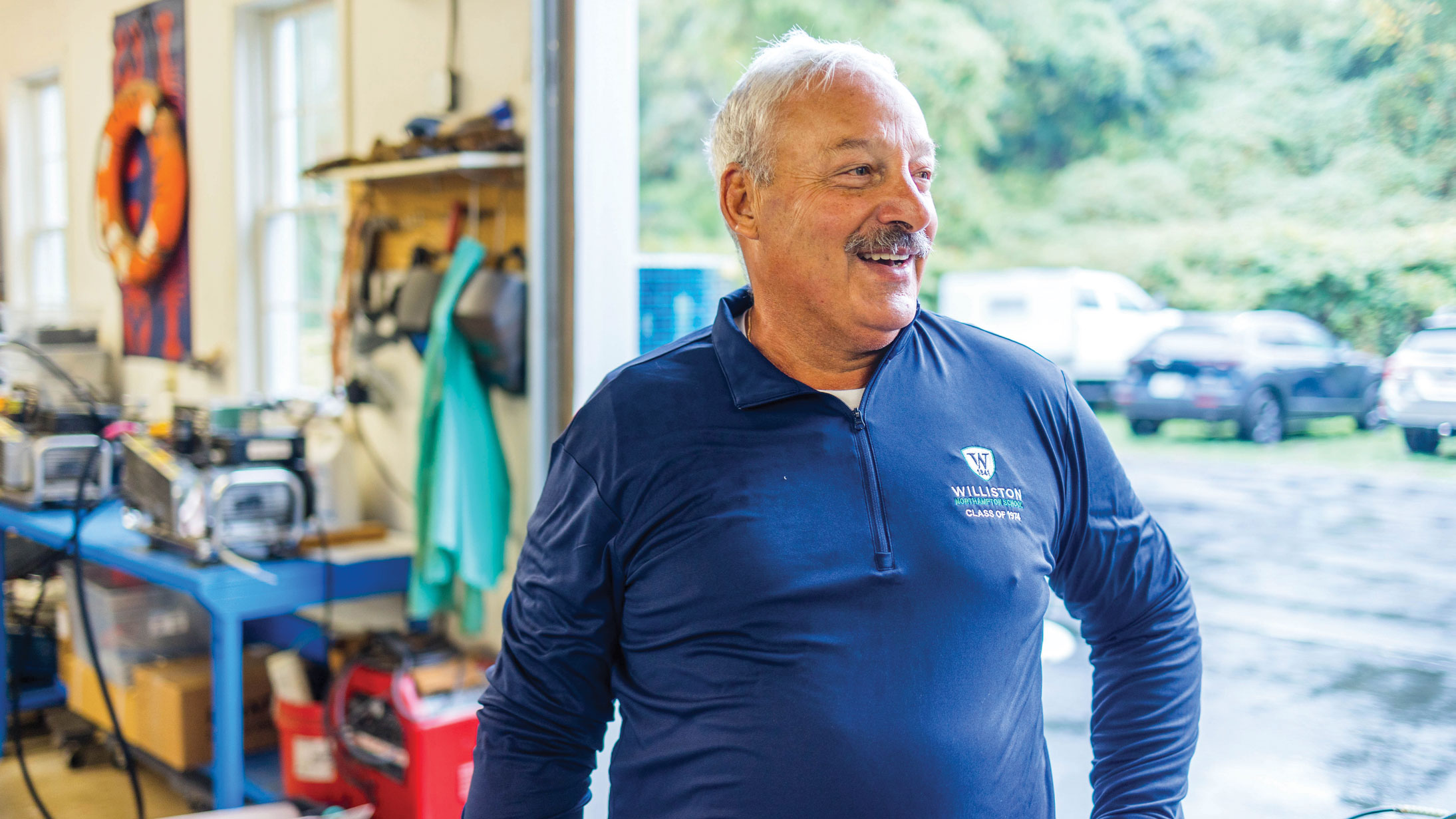
“Most of the people I work with are Ph.D.s,” he explains. “I’m just a fisherman. But I understand the equipment and I can speak to fishermen. And I guess that’s my value to them.”
Getting people to work together is a skill that Palombo developed back in his Williston days, where he excelled at team sports. His achievements playing football, hockey, and lacrosse earned him the Denman Bowl and All-American honors for lacrosse his senior year (he was inducted into the Williston Athletic Hall of Fame in 2024). The school “changed me significantly,” he says, providing him with the study habits and discipline that allowed him to graduate second in his class at Mass Maritime, where he continued his three-sport athletic career. But it was the relationships he developed at Williston that had the most profound impact on his later work. “The reason I started this whale research was because of [lacrosse coach] Kevin O’Connor, way back in tenth grade,” Palombo recalls. “He had an expression: ‘If you’re not part of the solution, you’re part of the problem.’”
Palombo was reminded of that saying when he attended a 2018 symposium on whale-protection regulations and realized that as a traditional lobsterman, he may not be part of the solution. “I was 62 years old, and I was thinking, Oh, my God, what’s going to happen here? Am I going to work my whole life and then get to the end and find out that through these regulations, my business is worthless?”
But there was another option: If lobstermen agreed to use the new on-demand gear, they could fish in protected areas when others could not. Palombo agreed to give the gear a try, and found he could make it work. After a few years of success, he joined forces with regulators and scientists to help spread the word.
Today Palombo’s task can seem as challenging as anything he faced as a star athlete. On the one hand, he knows his industry has changed in the past—back in 2009, for example, rules required lobster boats to switch to trawl lines that sink rather than float, and they did—and he’s seen that on-demand technology is working in other fisheries, most notably by Dungeness crab fisherman on the West Coast. He’s been encouraged by the development of new technology that can track individual whales, help locate lost gear, and alert vessels that gear or whales are nearby. On the other hand, new federal legislation that would mandate on-demand gear has been put on hold in response to strong opposition from the lobster industry. Some lobstermen are voluntarily using the gear to access areas that would otherwise be off-limits, but adoption has been slow.
Palombo gets why it’s difficult. “We’re trying to change maybe 70 years of behavior,” he explains. “When you listen to the 25-year-old kid with two kids, a beautiful truck, beautiful house, beautiful boat say, ‘If you take this away from me, I’ve got nothing,’ you just hear the fear in their voice.” But he has an answer: “I did it. You can do it. It might not look the same as what you’re doing now, but you’ll be able to fish.”
Will his efforts be enough to make a difference for the whales? Palombo can’t say, but he’s confident he can help take lobstering out of the equation. “There are approximately 72 female right whales left able to breed. Is that enough? I don’t know,” he says. “But at least on the lobsterman’s side, I am 100 percent sure we can solve this. It’s about how we have to co-exist with whales and fishing sustainably. And I believe we can do it.”
Editor’s note: Marc Palombo’s opinions are his alone, and not those of any government agency.
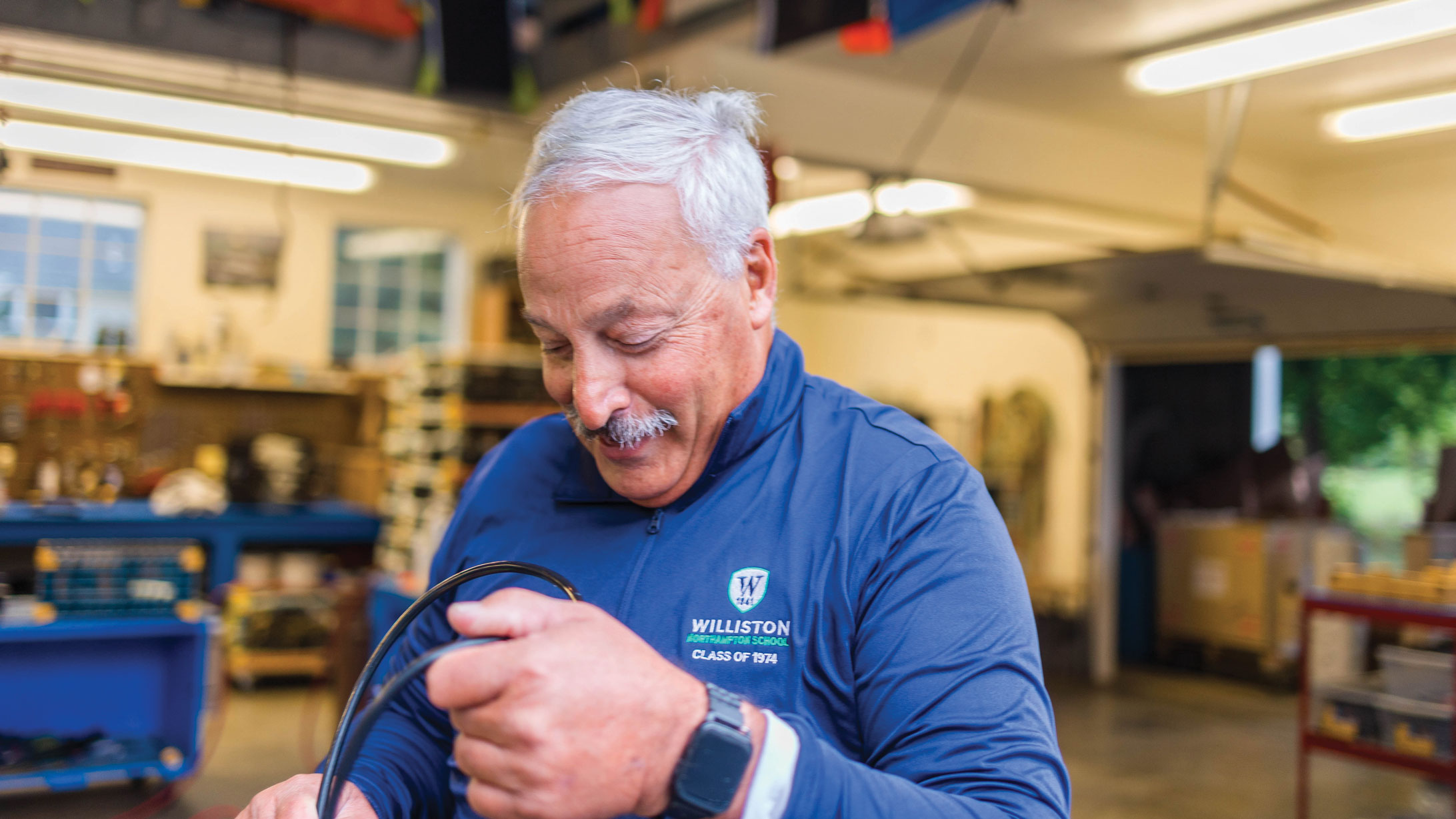
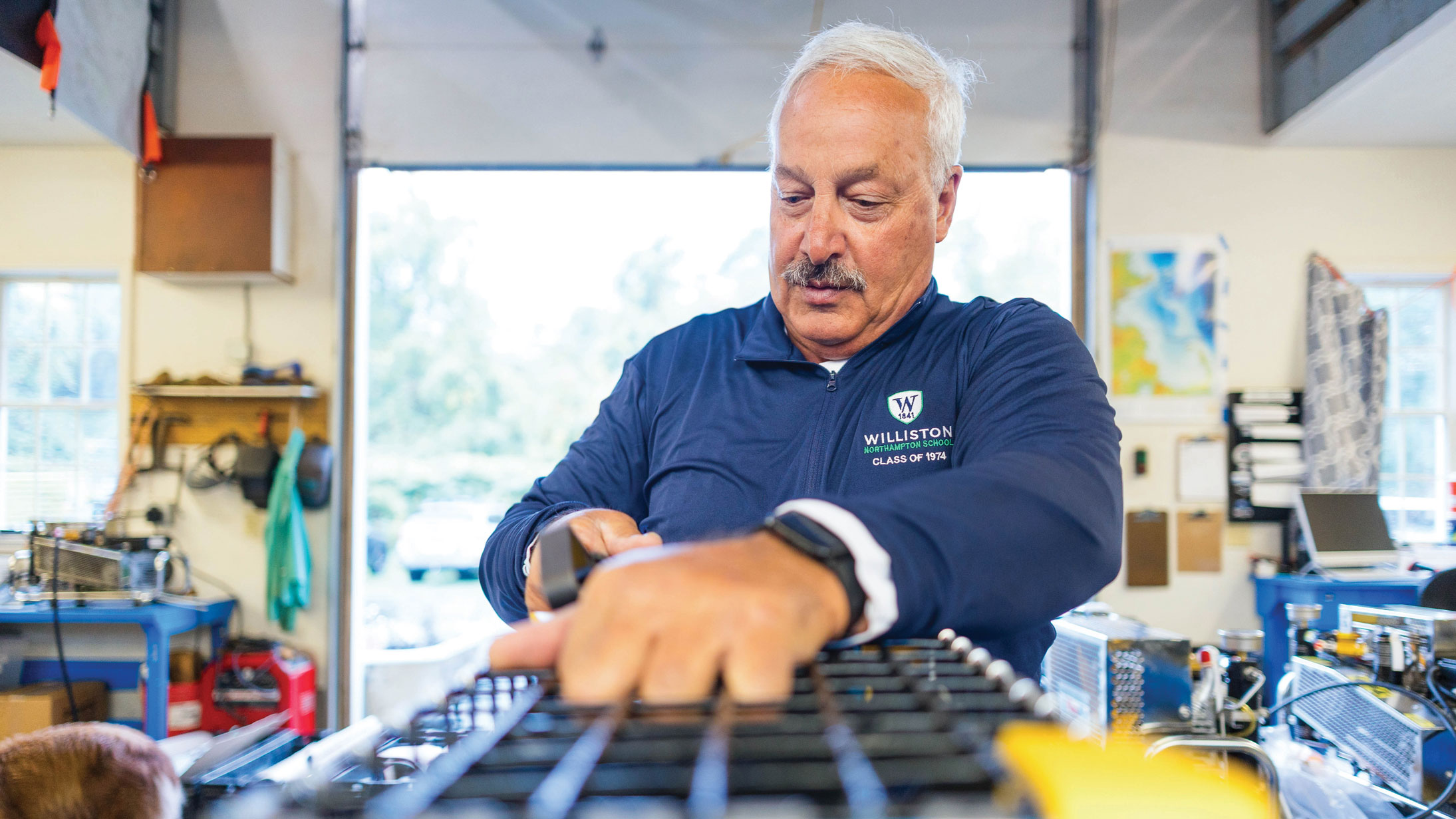
On-demand lobster gear replaces traditional static buoys and ropes with air bags that lift a trap’s line to the surface only when it’s needed. Here, Marc Palombo packs the unit’s air bag for deployment (far left), covers sharp edges to prevent punctures, and readies the transducer for testing.