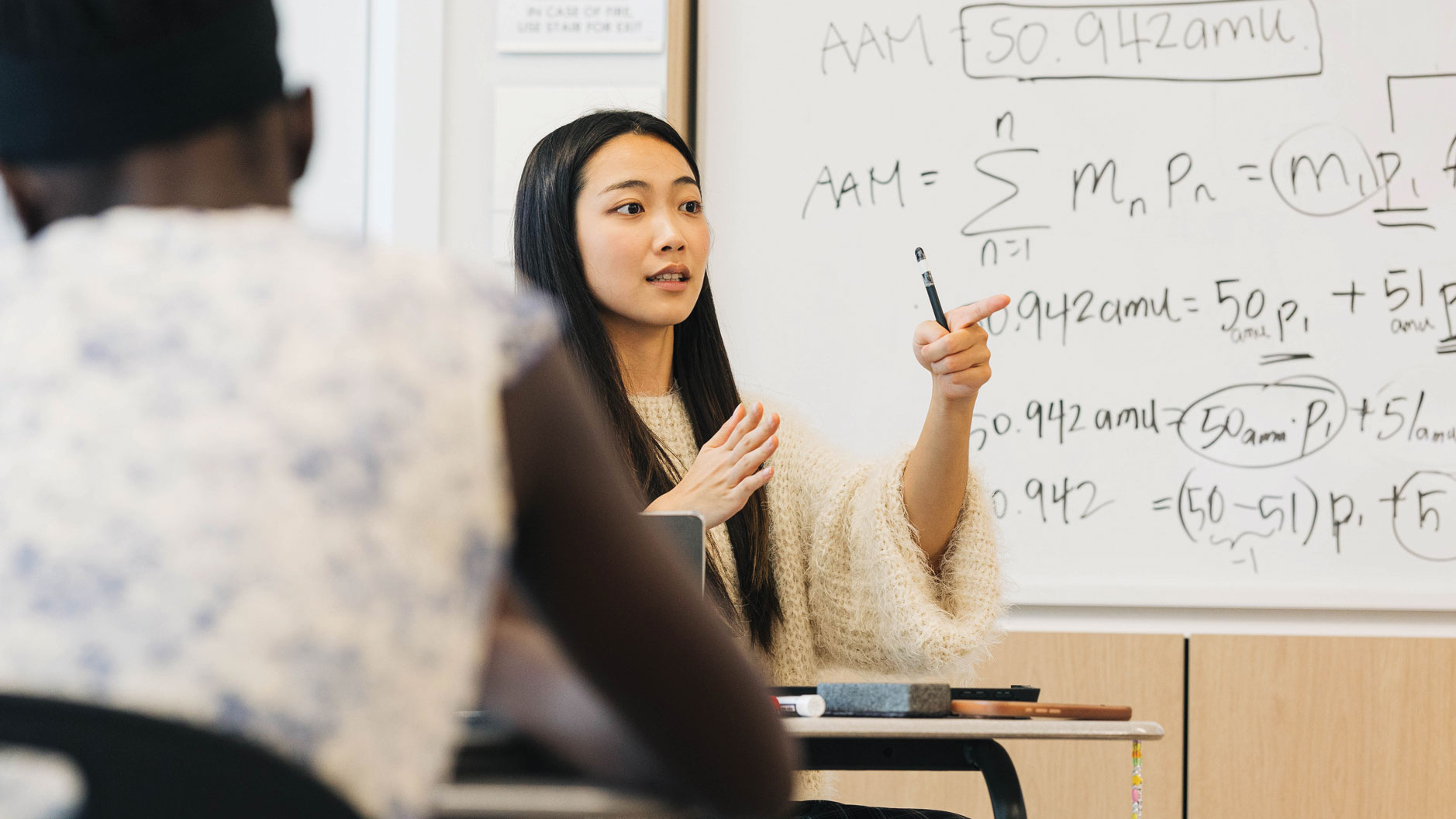
A typical class at Williston is anything but typical. With 155 courses offered each year, students are exposed to a wide array of subjects, teaching methods, academic levels, and technological integration. This fall, we spent a day peeking into different classes, and noticed one thing that unites the academic experience here: a passion by our faculty to engage students’ intellectual curiosity.
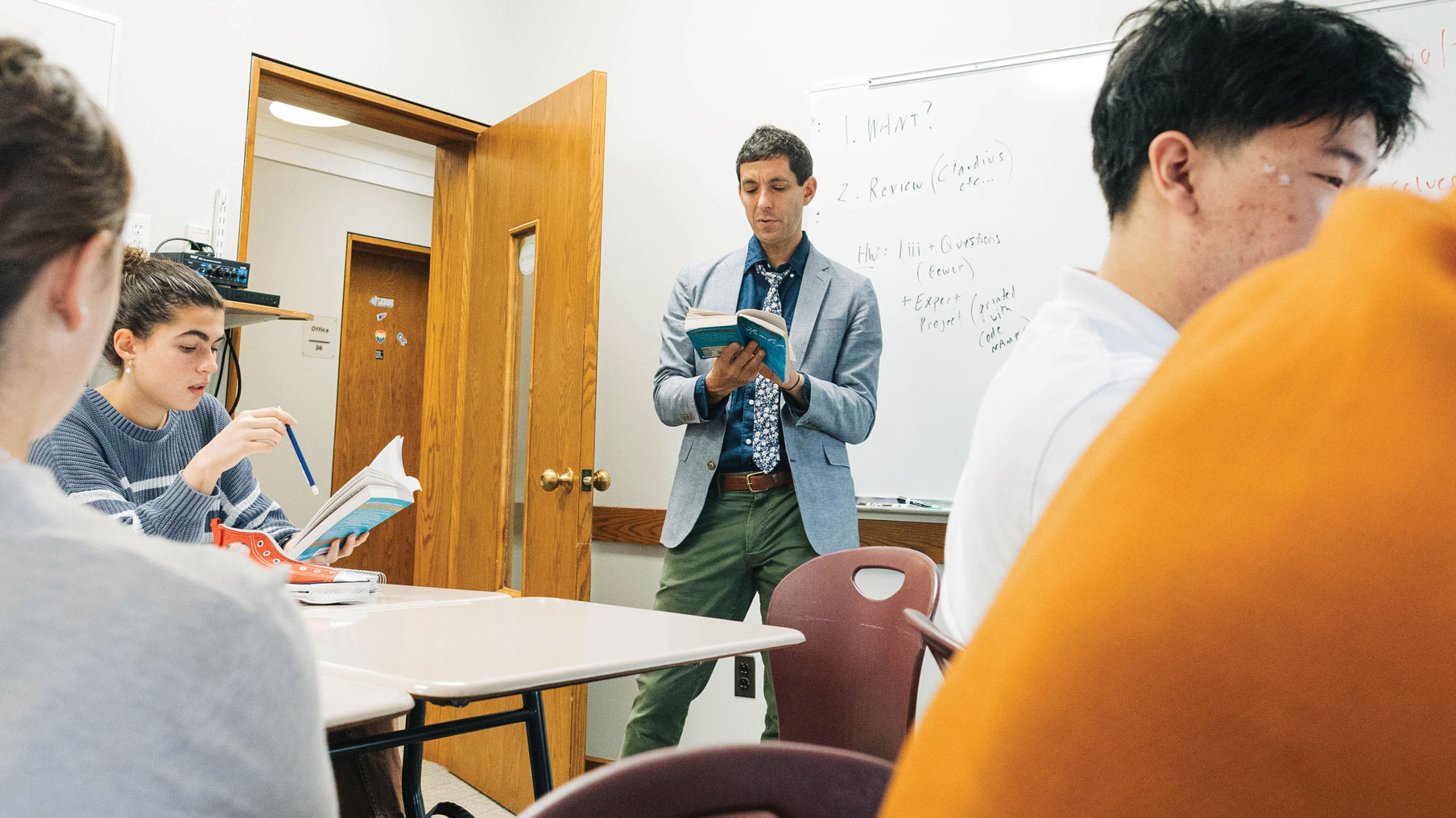
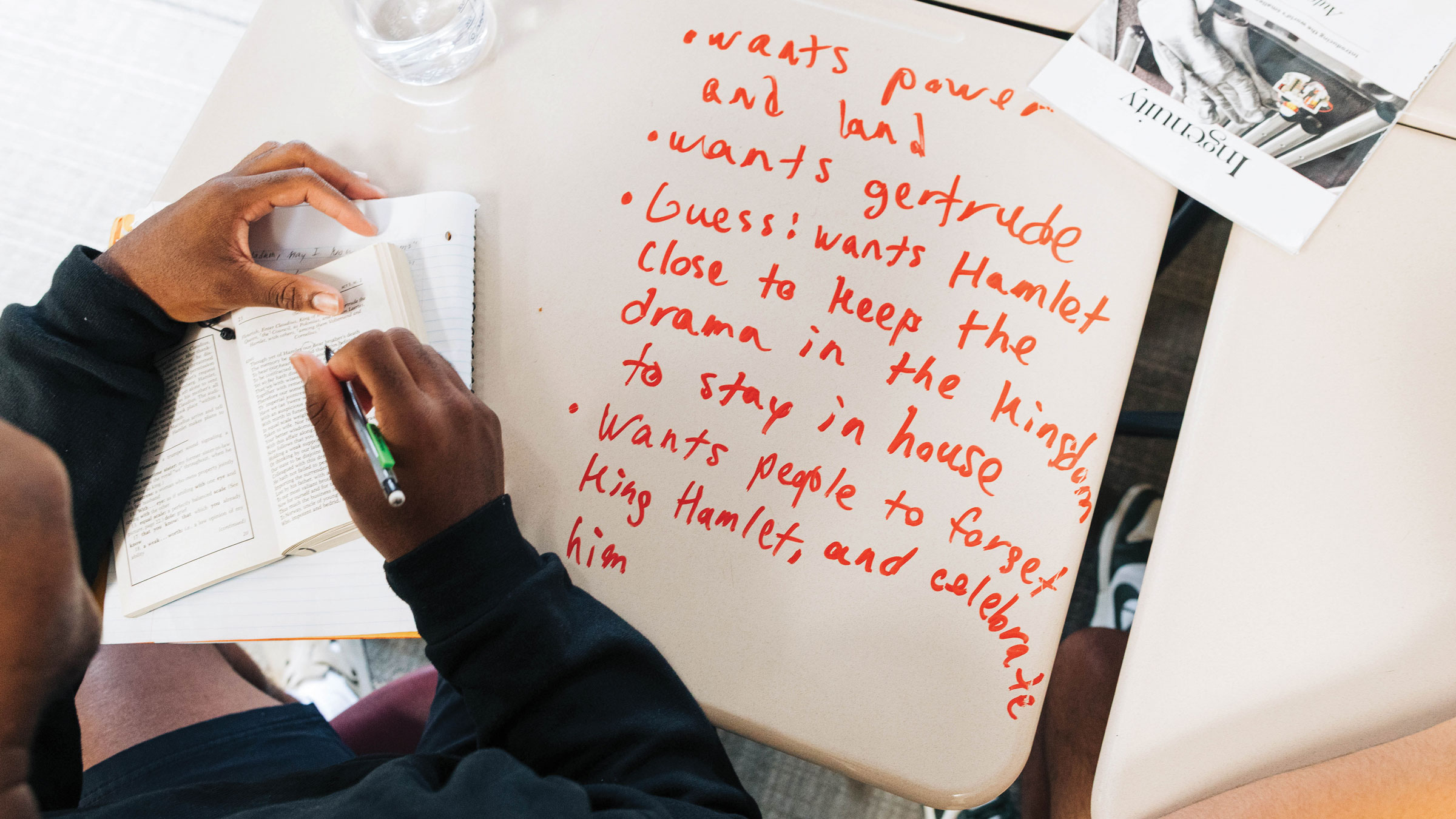
This fall, the English department made a novel technological choice: paper and pen. While students can use computers for homework assignments, during class the focus has been on books to help students more deeply focus on words and meaning. Here, Department Chair Matt Liebowitz leads a discussion about Hamlet; and in Sarah Sawyer’s class, below, students take notes in erasable marker right on the desktop. “Paper and pen have been a game changer,” Liebowitz said. “Students are engaging with the material and each other in exciting ways.”

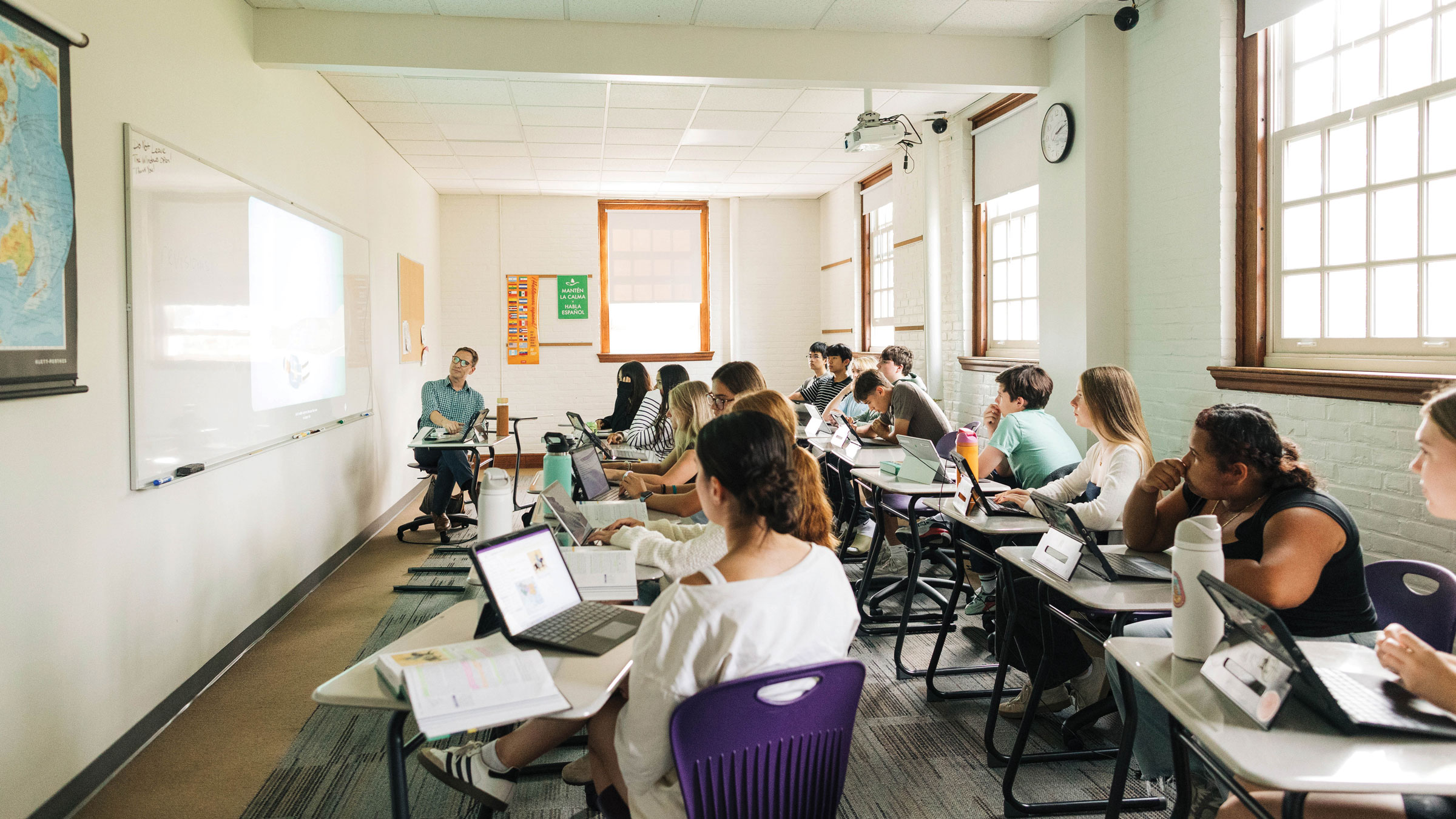
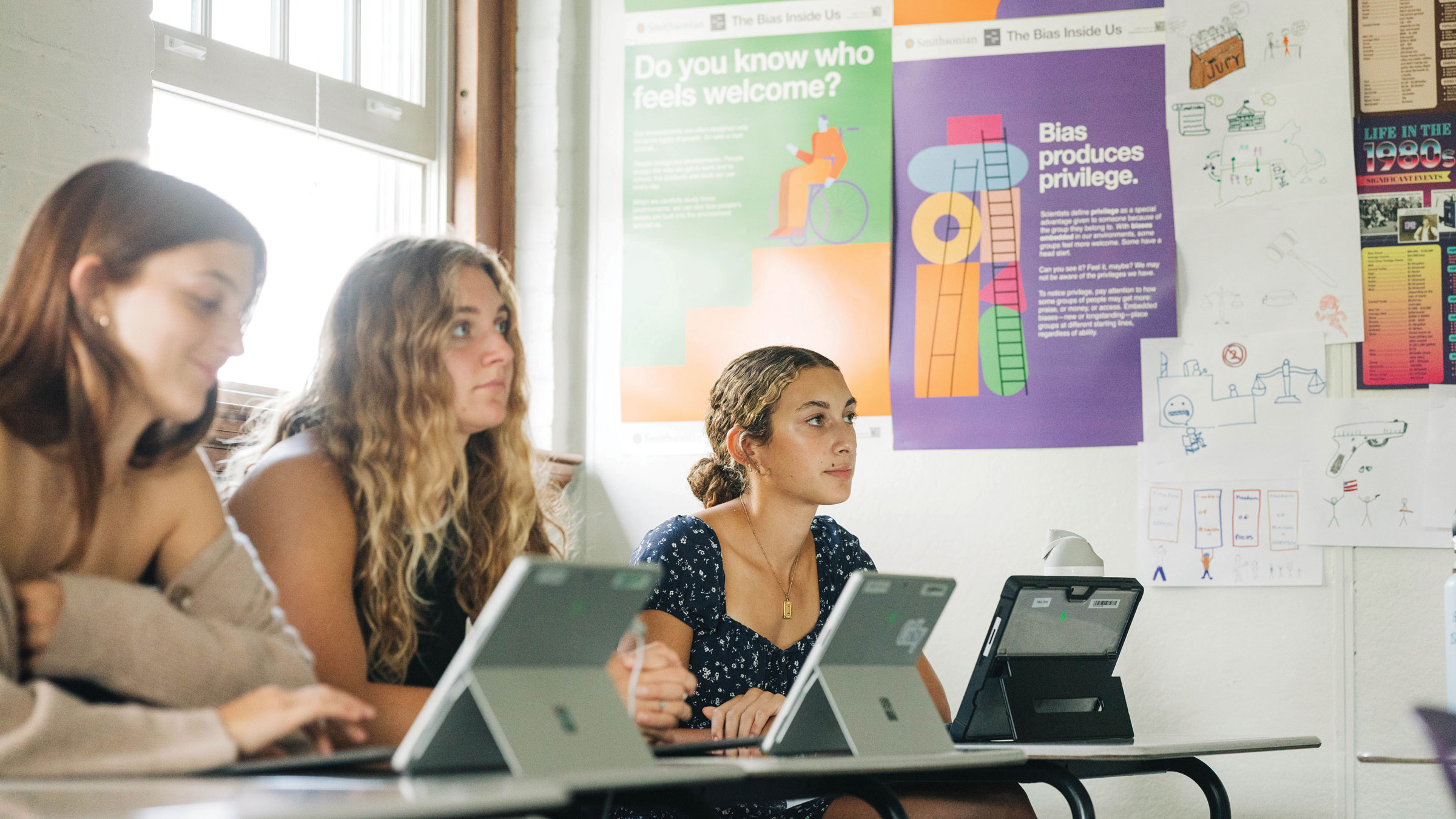
Above, AP World History students in Justin Brooks’ class can be seen learning about the Mongol Empire, a nomadic civilization that challenges the traditional assumption that major world empires developed by adopting agriculture. Students highlighted the important role that the Mongols played in spreading ideas to new parts of the world, connecting this topic to their study of Afro-Eurasian exchange networks.
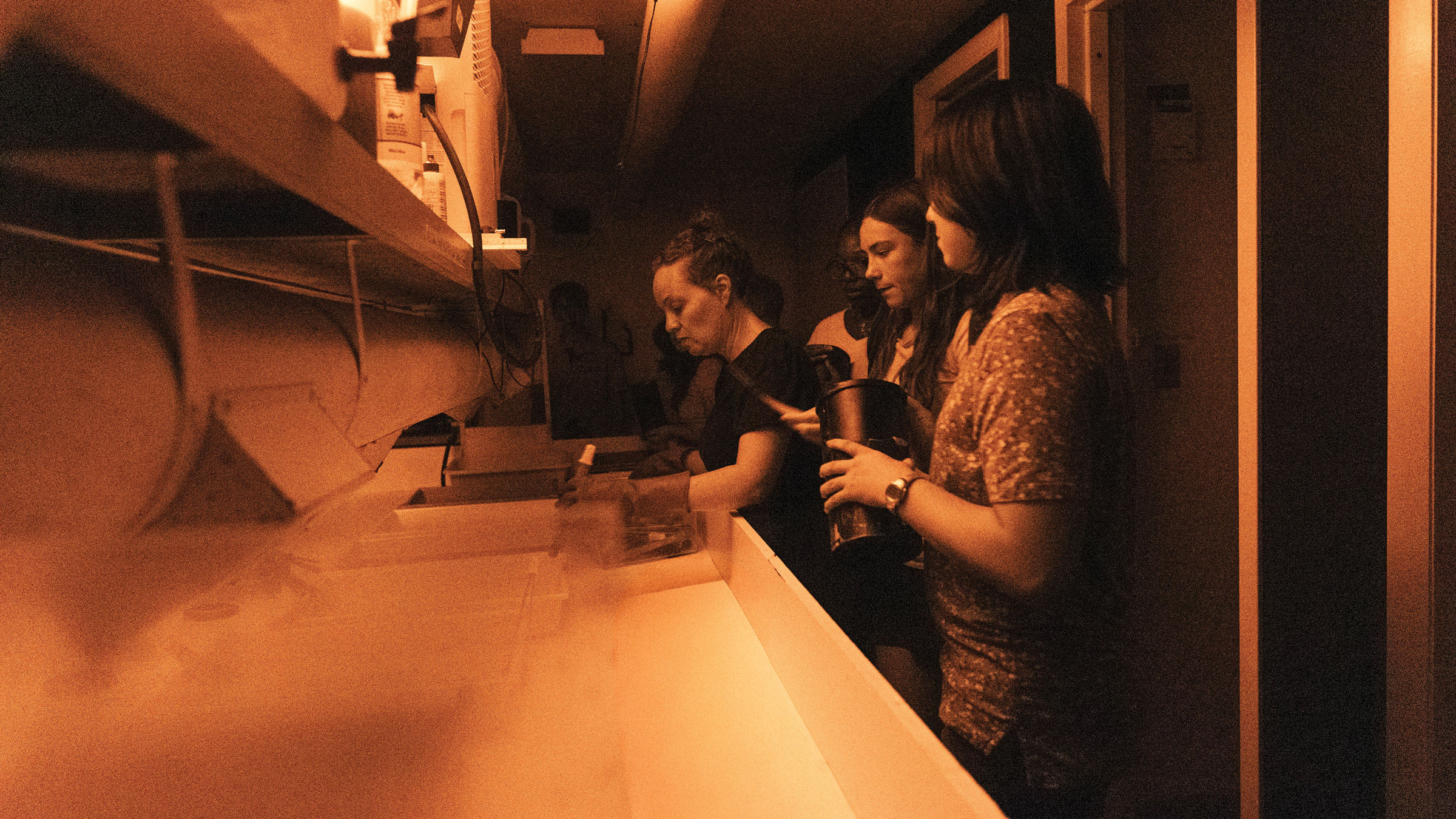
In Stefania Nugteren’s photography class, students take pinhole cameras outside, then come back into the darkroom to develop their images and learn about how light exposure impacts the final prints.

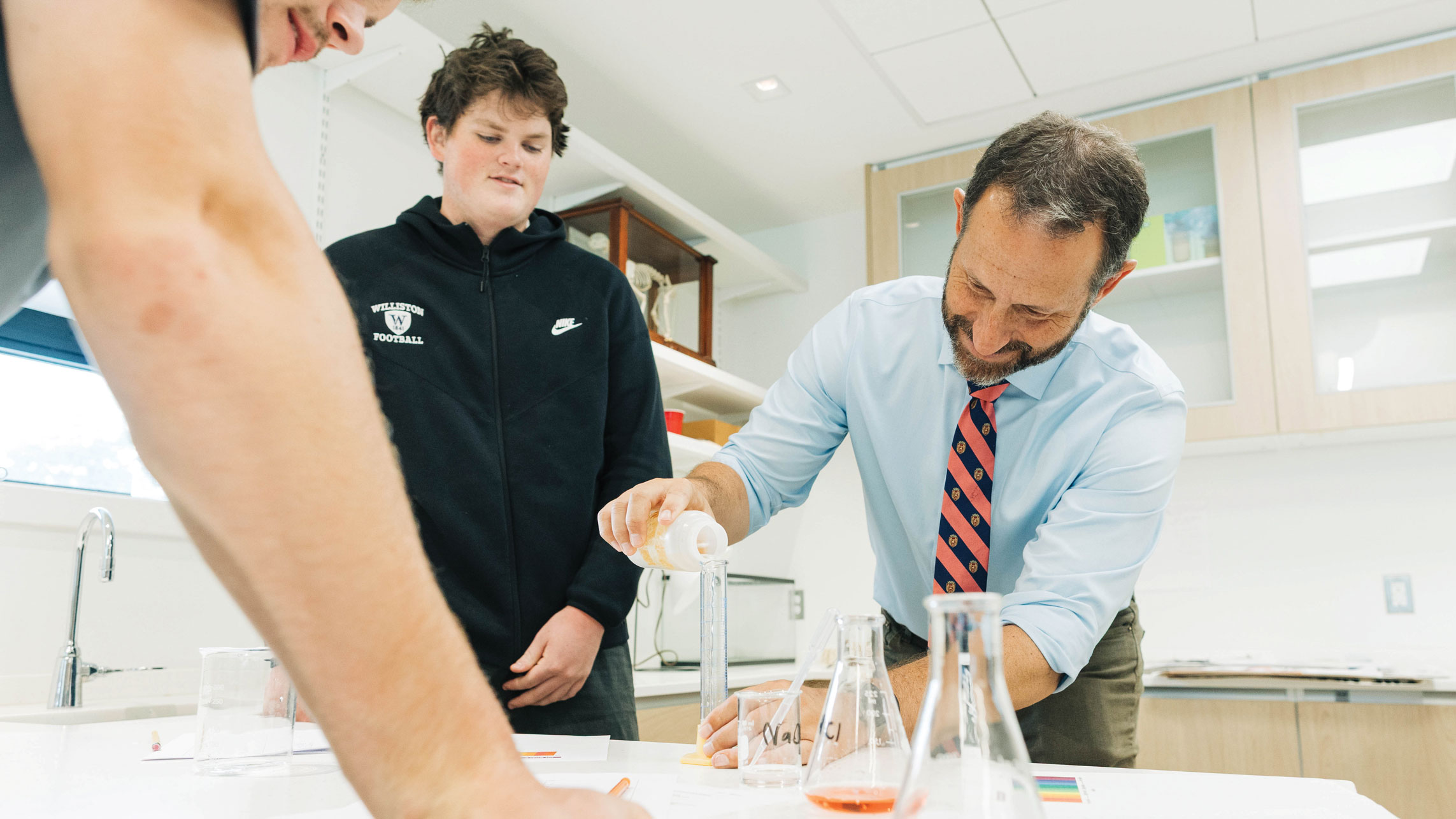
Memorizing formulas and scientific principles is one thing, but actually testing them out in a lab or group discussion is where the “aha!” moments happen. Below, students in Jane Lee’s Honors Chemistry class talk over the best way to calculate the average mass of elements through complex equations. In John Doll’s AP Biology class, above, students learn to prepare solutions for a lab that looks at the properties of biological buffers.