In fall of 2024, Taylor Russ was starting as a Faculty Fellow at Williston, after graduating three months prior from Yale University with a bachelor’s in the history of science, medicine, and public health. She was excited to start teaching students, but also wondered how being a teacher would impact her own ability to learn new things. “That was something I was a little worried about—am I going to have to drop my interest in science and just focus on teaching it?”
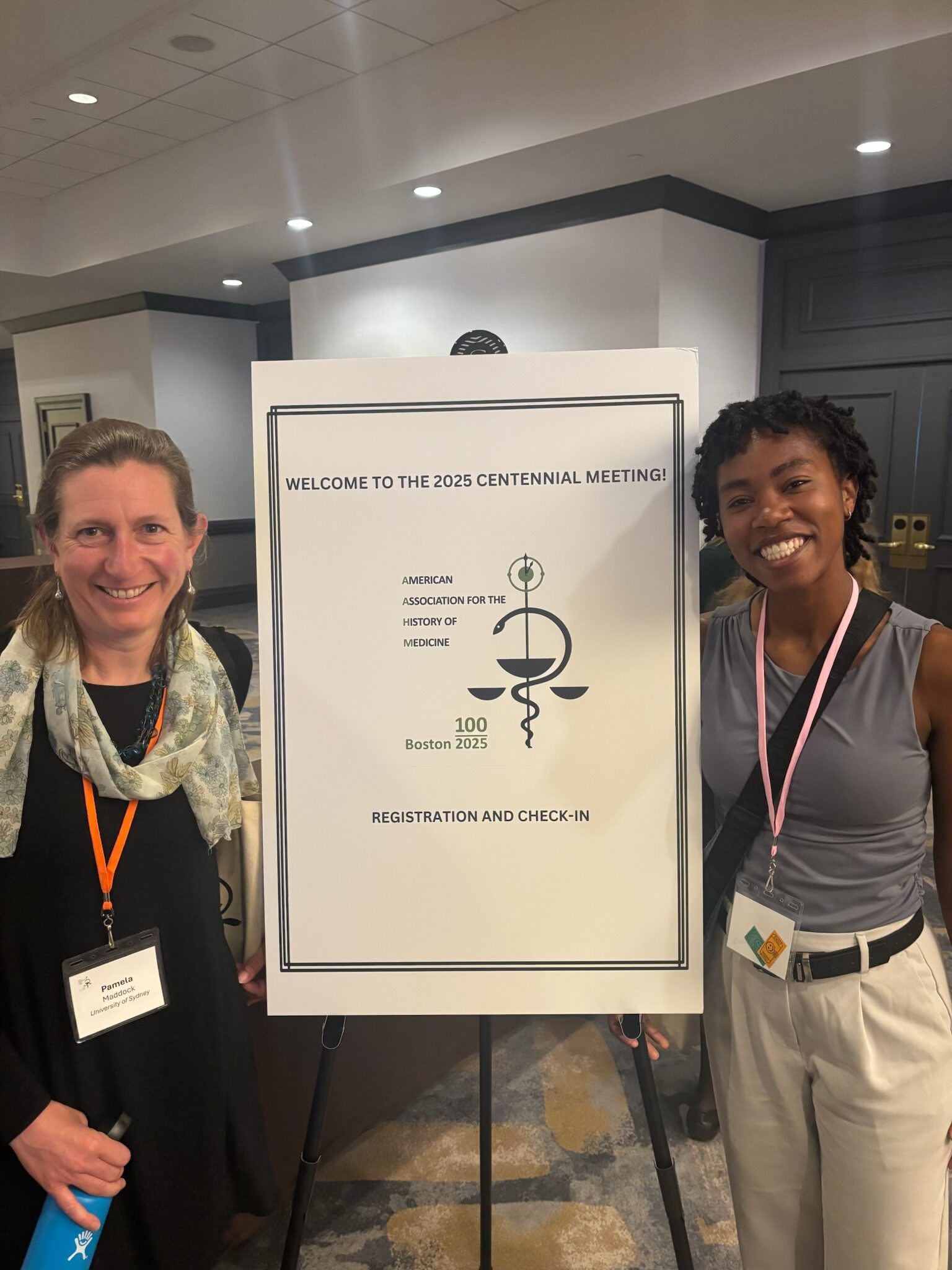
Thanks to Williston’s endowed professional development funds and a connection with fellow teacher, Dr. Pam Maddock, Russ has been able to complete her first year of teaching and continue learning new material herself. In April 2025, Russ and Mattock—a Williston history teacher and fellow Yale grad—attended the 100th annual meeting of the American Association for the History of Medicine in Boston, Massachusetts.
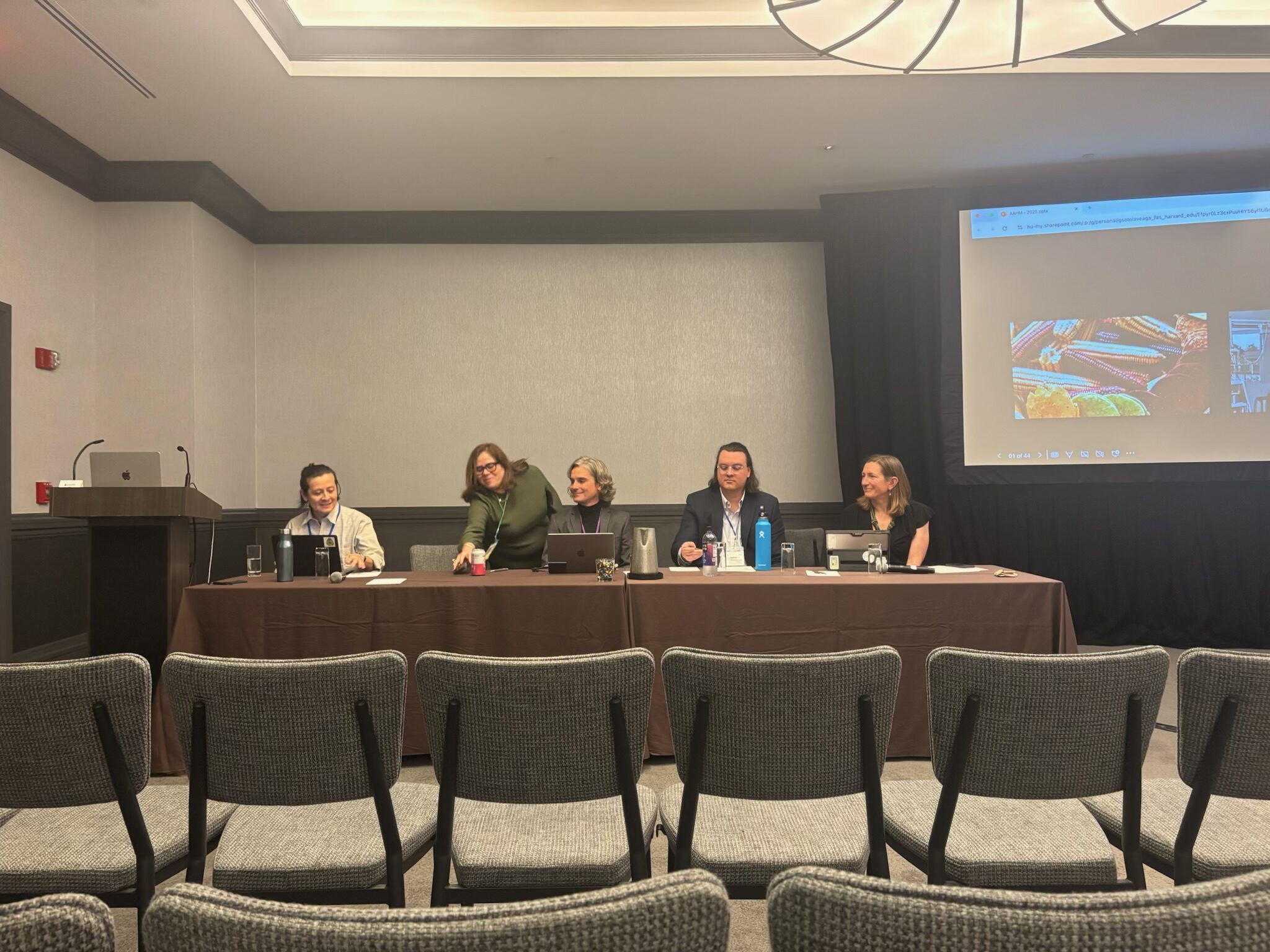
Maddock has attended the conference before, and this year was presenting. “It’s refreshing to be able to go and talk about ideas with people,” said Maddock. She presented a paper on gendered labor and public health in the U.S. military during the occupation of Manila in 1902, as part of a panel on public health in global context. Her presentation made up part of a larger piece she is working on and hoping to get published in the future.
“I want to keep writing my project and get it out—get my research out,” Maddock said. “It was stressful [getting the work together], but it was what I wanted to do, and I wanted to try and get people to think through—make myself think through—some questions and issues.
“When other people in the room ask questions and think about things, you are prompted to think more about the questions and issues that you’re facing in your writing.”
Russ attended the conference for the first time, and immediately found ways to take the topics she was learning about there and bring them back to a Williston classroom. “Knowing what’s happening in the realm of history is really useful when it comes to certain topics with my students,” Russ said. She noted a recent discussion after a Grandparents & Special Friends Day class, when a grandparent told Russ that her class about DNA was fascinating and that they hadn’t known much about the history of DNA.
“Then I went to my kids and asked if they knew the history of DNA,” Russ said. “And they said ‘no, not really.’ So I decided to talk about it for a while, because you need to know the context of the people who found these things to understand how we got to where we are today, and what implications there are in science in the present.”
For Russ, the overall experience was energizing. “It’s great to know that I don’t have to abandon [the joy of learning] by becoming a teacher.”